Digging for Worms, Finding Silver: The Massive Stockholm Silver Hoard
A man searching for earthworms before a fishing trip in the Stockholm archipelago struck something far more extraordinary than bait. Beneath a thin layer of soil lay the edge of a discovery now reshaping Sweden’s medieval history: a vast hoard of silver buried for more than 800 years.
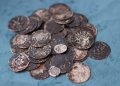
Archaeologists estimate the cache contains 20,000–24,000 silver coins, along with jewelry and pearls—an unprecedented find for the region. Buried during the turbulent 12th century, the hoard offers a rare look into Sweden’s transition from its Viking legacy to an emerging medieval kingdom. Its sheer scale suggests (though cannot confirm) it belonged to someone of immense wealth and influence, hidden in haste.
A Fisherman’s Stroke of Luck
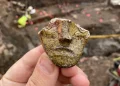
The discovery began innocently. While staying at his summer cottage, the fisherman dug for worms near his home and hit metal instead of soft earth. Curious, he uncovered a corroded copper cauldron packed with thousands of silver coins spilling into the soil.
He alerted the Stockholm County Administrative Board. Archaeologists, including antiquarian Sofia Andersson, quickly secured the site. The hoard’s shallow depth indicated it had been buried quickly, likely during a moment of crisis.
The original owner never returned. Thanks to a simple search for bait, the hoard has finally emerged from eight centuries of burial.
This is probably one of the largest silver treasures from the early Middle Ages that has been found in Sweden.
Inside the Silver Hoard
The copper cooking pot, an everyday household item repurposed as a strongbox, held an astonishing concentration of wealth. Most of the coins are bracteates, thin, one‑sided silver coins minted in eastern Sweden during the 1100s. Despite their fragility, many survived in excellent condition.
Among them are rare KANUTUS inscriptions, linking the hoard to the reign of King Knut Eriksson (1167–1196) and providing a firm date for the burial.
Alongside the coins were silver rings, pendants, and pearls, luxury items that hint at a high‑status owner. This was not a merchant’s purse; it was likely the consolidated fortune of a powerful family or clan leader, gathered in desperation and hidden with the hope of recovery.
Buried in a Time of Upheaval
Large hoards almost always signal unrest, and this one is no exception. The late 12th century was marked by violent conflict between the rival Sverker and Erik dynasties, a struggle that destabilized the emerging Swedish kingdom. Even though the Viking Age had ended, its traditions of raiding and clan warfare lingered.
The hoard’s hurried burial suggests its owner was fleeing danger, perhaps a shifting battlefront, a political purge, or the collapse of their faction’s power. Whatever the cause, they never returned to reclaim their wealth.

A Fortune Lost… and Found
The Stockholm Hoard is a reminder that history often lies just beneath our feet. What began as one man’s search for fishing bait in the archipelago has become one of Sweden’s most significant archaeological discoveries.
As conservators clean and catalog thousands of bracteates, ornaments, and pearls, the hoard is already reshaping our understanding of 12th‑century trade, power, and daily life. Buried in a moment of fear and forgotten for centuries, this silver fortune has resurfaced to illuminate a turbulent turning point in Sweden’s past.